
I Defied God
The Guilt, the Grace, the Good Father

In Part I, I shared the euphoric moment when I felt God confirm my life’s purpose through the sound of crickets. Now, in Part II, I grapple with the panic that followed that conviction and the fear that comes with saying no to God.
Part II: The Guilt, the Grace, the Good Father
Over the next few months, plans for accepting the executive pastor position and relocating to California began to take shape. It was scary, but the kind of scary you seek: a big leap of faith, promise of growth, the fulfillment of my life’s work. Finally, I knew my place in this world.
One of the final steps was flying to meet with the board and staff. I booked my flight, and almost immediately, something changed.
During the week leading up to my departure, fears began to emerge. We would need to relocate again, and our family would have to start over again. The kids would be strangers in a new school. We would need to find a neurologist and occupational and physical therapists for my son, all in a small rural community. Brie would quit a job she had just started and was thriving at. We would face the California cost of living, smog, crime, and dysfunction.
And I knew Brie did not want to return to California, but she was willing to for me.
Things became blurry. I’m not sure what happened, but I panicked. I don’t panic. I don’t make rash decisions. I maintain my wits, the way I taught my eldest daughter to swim: “Don’t lose your wits. Because when you lose your wits, that’s when you drown.” But that week, I lost them.
I was scared to select his name from my contacts and hit the green call button. I was scared to hear the disappointment in his voice. I was scared to fail a friend. I was scared to run away from what the crickets had confirmed as God’s design for my life. Within my soul or gut or intuition, I likely knew I was panicking. And I did.
Twenty-eight hours before my flight, I called my pastor friend and told him that I would not be taking the job.
I lost my wits.
And I believe I defied God.
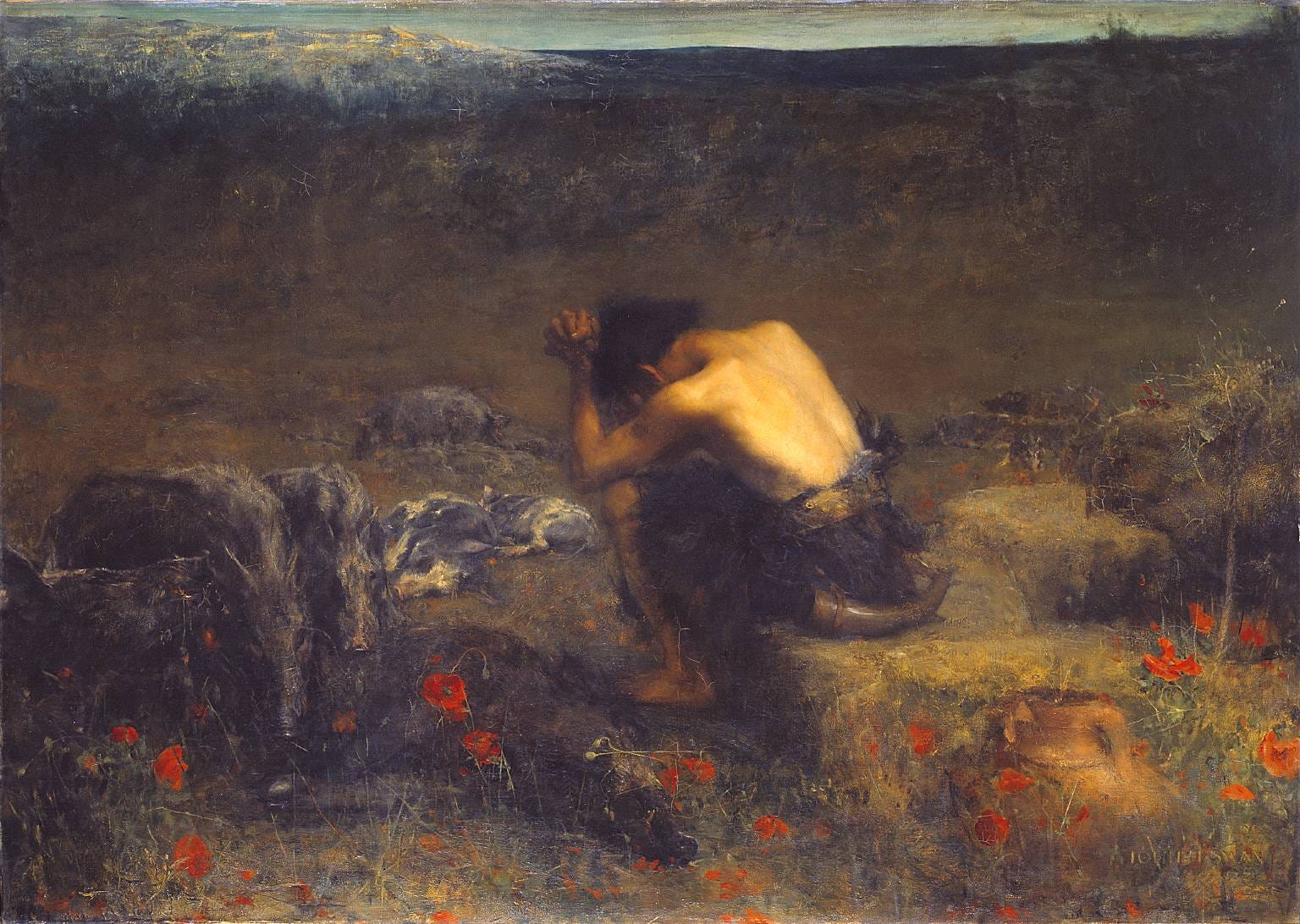
In April 2025, nearly a year after I turned down the pastor’s job, my friend John asked me, “What’s up with your God and Crickets piece?” I felt unsettled, even uncomfortable. How could I finish a piece about choosing a job, hearing crickets I believe God used to communicate my direction, and then walk away from it all?
My faith is solid, but I have my struggles. One of those struggles is the belief that when I disobey God or ignore Him, there are consequences for those choices. When I reject what I think is God’s direction, He withholds His favor, and I am disconnected from Him. Worse still, I fear He punishes me. I was bad, God is mad at me, doesn’t want to talk to me anymore, and maybe will cause my life to be worse. Religion can be complicated and harsh.
Guilt and shame are some of my least favorite associations with religion.
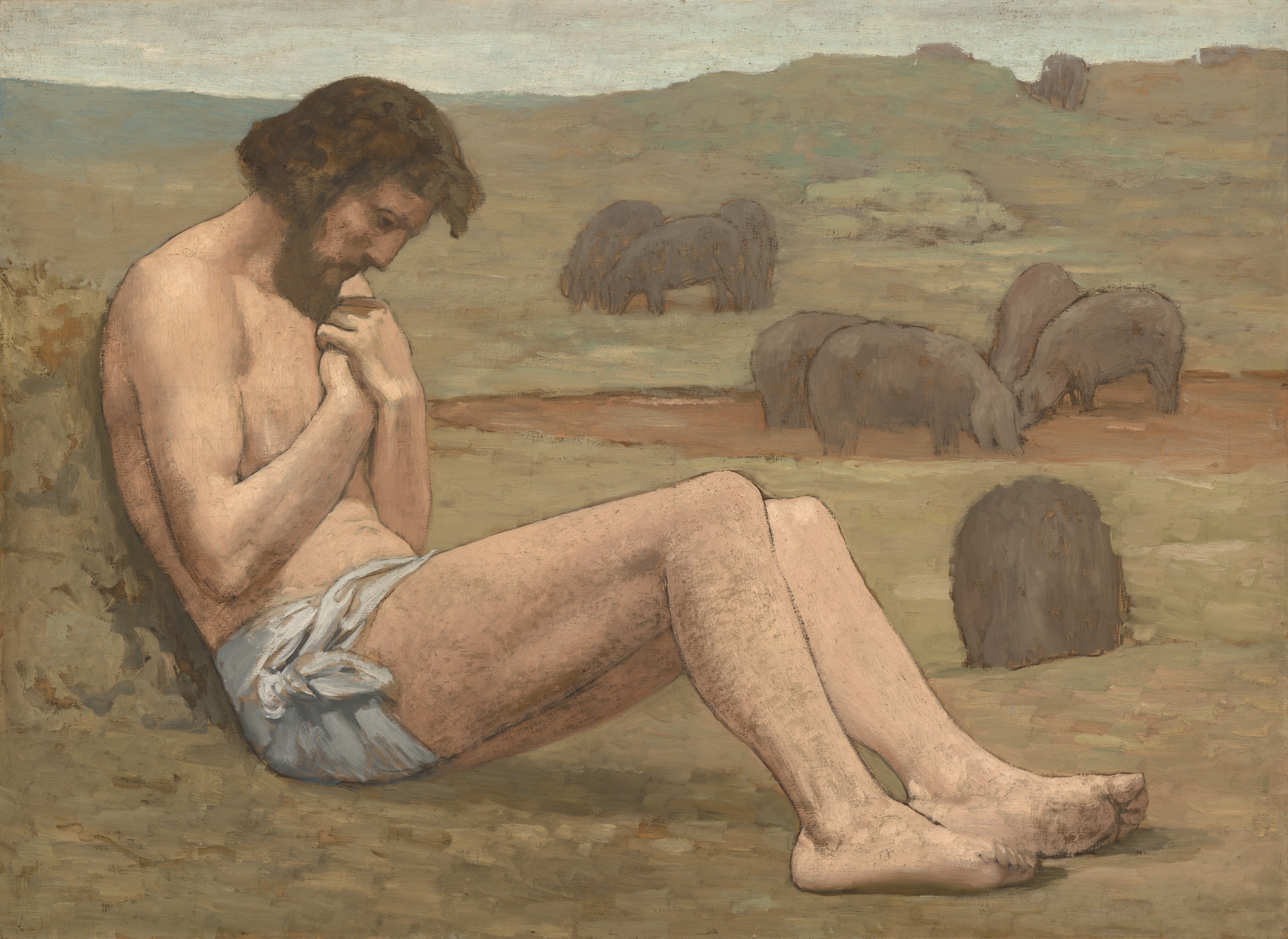
But what if instead of saying, “I defied God, and therefore I’m bad and He will punish me,” I admitted, “I declined God’s request”? What if my heart was still good, even in the wrestling? What if it wasn’t rebellion but a trembling no in the midst of love? Could that be a sign of a mature relationship, that God and I are strong enough to withstand my choice? Could my Evangelical upbringing, beautiful and yet flawed, overcome its tendency toward guilt and shame and not erect a wall between us? And what if there is something bigger that I cannot yet see?
I don’t know. Still, I have more questions than answers.
But I do know that regardless of my decision, God still loves me. He still believes in me. He will forgive me. Again and again. And I know my heart is good.
I’ve let fears and guilt and shame linger because of the weight of believing I defied God, failed Him and my friend, and was being punished. But instead, I sense Him holding me closer, like a father consoling a child who said no, not seeing the bigger picture, yet loved all the same. The father never leaves but draws the child back to him.
My friend, Alivia, wrote this lovely piece, and I think constantly of its final line: “The story God is writing isn’t over until it’s good.”
Perhaps, if a man who has told God no can still walk with Him, then maybe this can resonate with others who have done the same. Perhaps my story can serve as a source of comfort for those who feel the emptiness and loneliness that often follow such a decision.
Could my decision and its fallout be part of a larger plan? Could it be redemption after I panicked and ran, or did I simply misunderstand the crickets?
I don’t know.
But I know I want to be kinder to myself. I want to stop seeing God as vindictive when I stumble. One decision, even one that takes me away from His design, will not shut the door on good things. I need to remember Alivia’s words: The story God is writing isn’t over until it is good.1
I don’t think I want to work in a traditional church. I want to serve those who don’t like church or Christians or God. Those who feel betrayed and abandoned.
What if I am to be a different kind of pastor?
I often return to this question: who am I called to serve, to love, and to shepherd? And over this last year, I’ve come to this conclusion:
I am a pastor to those who don’t believe in God but want to.
I am a pastor to those who left the church, didn’t want to leave God, but left both.
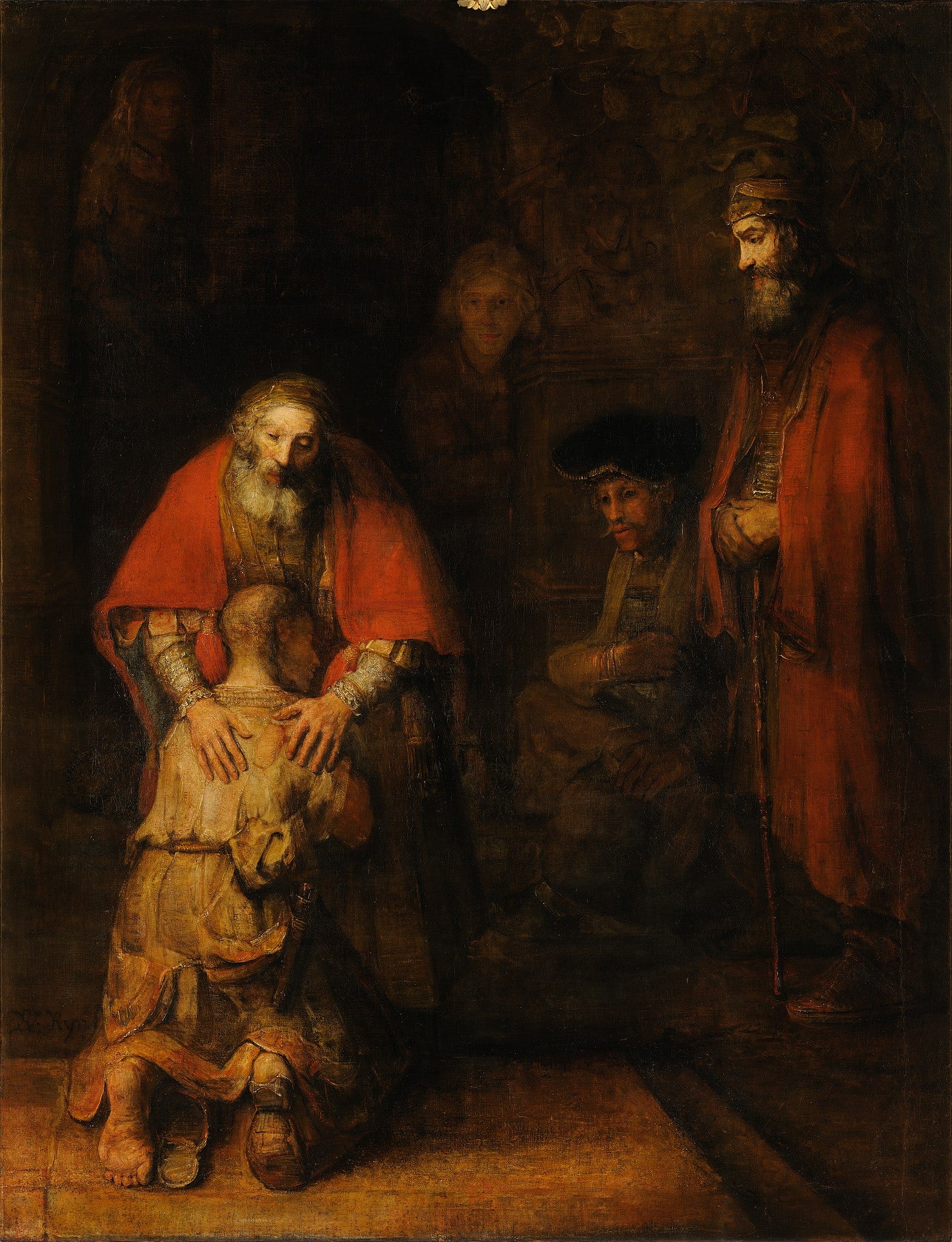
My friend, Matt, is not a religious guy, but he’s a good man. A good husband and father. After reading a draft of this, he started to tell me the story of the Prodigal Son. I found it ironic, a non-religious guy, telling a religious guy a religious story. The Prodigal Son is a story of two sons and their father. One son stayed home, working and serving faithfully. The other demanded his inheritance early, left, and squandered it all recklessly. Out of money and hungry, he took a job feeding pigs and wanted to eat their slop. He returned home vowing to beg forgiveness and ask to be a hired hand. As he approached his father’s property, his father saw him, and instead of shaming him, ordered a feast. For the son who was lost had been found.2
The Good Father didn’t humiliate his son or demand an apology. He welcomed him home. He embraced him. He loved his son. Unconditionally.
I used to believe there would be repercussions for telling God no. Part of me might still think so. However, I choose to see God as a Good Father. He is not vindictive. He forgives me. Loves me without condition. He embraces me when I return and doesn’t hold my mistakes or misunderstandings against me. He lets me go my own way while reminding me again and again:
“Brandon, your story isn’t over until it’s good.”
THE END
Thank you, dad (Michael Weaver) and mom, for raising me in a beautiful and imperfect Christian home. Thank you Brieana Weaver, for being willing to go where you did not want and for remaining with me always. Thank you to my writing group, CansaFis Foote and his invaluable writing gyms, and these thoughtful writers: Matt Joass, Kat Koh, Alivia Duran, Sondra , Dipankar Gabriel Subba, Zara Bogaski, V.Khaou , John Min, Lily, and Marky Mark.
This isn’t a prosperity gospel message. Good doesn’t mean a big house, Teslas, or extended trips in Europe. Good doesn’t guarantee health or the absence of suffering and loss. But I do believe we can find rest. We can be at peace. Even through the storms. In time.
Luke 15:11-32
When I was in my early twenties, I took a journey to New Hampshire, believing I could make a difference in the world and reform the local churches, which I thought were somehow lacking. God, instead, humbled me as the church planting project my friend Ernie and I planned flopped. A 'rejected Catholic priest candidate' attended our small gathering and made one statement I have never forgotten. He said, "God makes crooked arrows straight." Love always, Dad.
Really enjoyed this one, turned out beautifully. What a great spot by Matt too, don’tcha just love it when a talking point slots in well. Great job, Brando!